
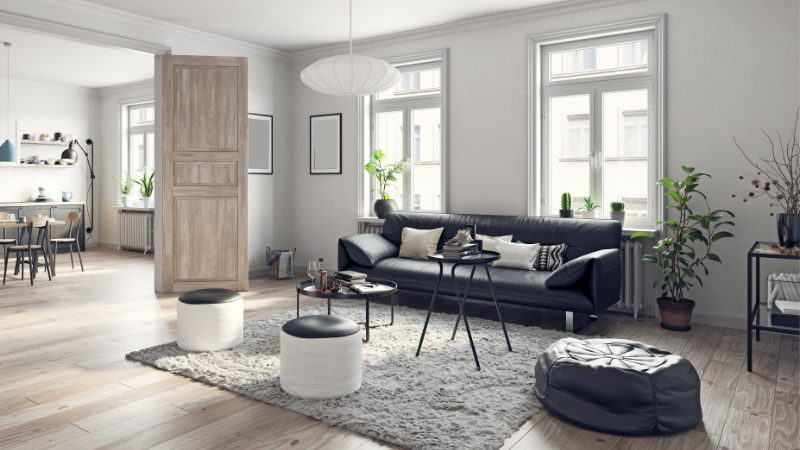
As climate change and environmental concerns grow, sustainable architecture has become more than just a trend—it’s a necessity. Designing eco-friendly homes is about creating spaces that minimize environmental impact while enhancing the quality of life for inhabitants. Here’s how sustainable architecture is shaping the future of home design and some key principles to incorporate into your next project.
- Use of Sustainable Building Materials
The foundation of any eco-friendly home starts with the materials used. Opt for sustainable, non-toxic, and recyclable materials such as bamboo, reclaimed wood, recycled steel, and low-VOC (Volatile Organic Compounds) paints. These materials reduce the carbon footprint of construction and contribute to healthier indoor air quality. - Energy Efficiency is Key
Design homes with energy efficiency in mind. Incorporate high-quality insulation, energy-efficient windows, and LED lighting to reduce energy consumption. Consider designing the home to make the most of natural sunlight, reducing the need for artificial lighting and heating. - Solar Power Integration
Harness the power of the sun by integrating solar panels into the design. Solar energy is a renewable resource that not only lowers electricity bills but also significantly reduces the carbon footprint of the home. Solar water heaters are also a great addition for sustainable living. - Water Conservation Techniques
Water conservation is a crucial aspect of sustainable architecture. Install low-flow faucets, dual-flush toilets, and rainwater harvesting systems to reduce water usage. Greywater recycling systems can also be used to repurpose water for gardening or flushing toilets, further conserving this precious resource. - Green Roofing and Walls
Green roofs and living walls are not only visually stunning but also offer environmental benefits. They help in reducing heat islands, improving air quality, and providing natural insulation, which helps in regulating indoor temperatures. - Smart Home Technology for Sustainability
Smart home technology plays a pivotal role in sustainable architecture. Smart thermostats, energy monitoring systems, and automated lighting can optimize energy usage, ensuring that homes are not only eco-friendly but also convenient and efficient. - Natural Ventilation and Passive Design
Designing homes to take advantage of natural ventilation reduces the need for air conditioning. Passive design principles, such as strategically placed windows, overhangs, and cross-ventilation, can maintain comfortable indoor temperatures naturally, cutting down energy use. - Incorporate Sustainable Landscaping
The landscape around a home also contributes to its sustainability. Use native plants that require less water, create rain gardens to manage stormwater runoff, and consider xeriscaping techniques to further reduce water consumption. - Recycling and Waste Management
During construction, reduce waste by using modular design principles and planning for efficient material usage. Encourage recycling of construction waste and design homes that facilitate recycling of household waste to promote a sustainable lifestyle. - Long-Term Durability and Adaptability
Sustainable homes should be built to last. Durable materials, flexible layouts, and designs that can be easily modified to meet future needs reduce the environmental impact over the home’s lifecycle. This adaptability ensures the home remains functional and relevant, reducing the need for frequent renovations.
Conclusion
Sustainable architecture is paving the way for a greener future, one eco-friendly home at a time. By integrating energy-efficient technologies, using sustainable materials, and designing with the environment in mind, architects can create homes that are not only beautiful but also responsible and sustainable. Embracing these principles is a step toward building a better world for future generations.